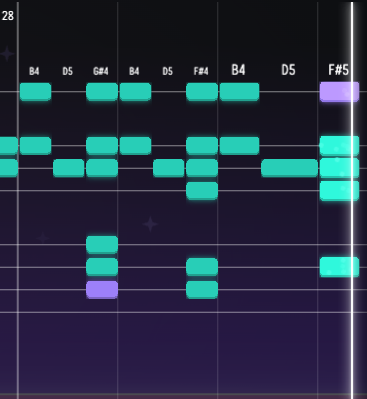
The comment section just got a serious upgrade. Reply to threads, use markdown shortcuts, and drop kaomojis or GIFs directly into your messages - all from a custom-built editor. Here is a breakdown of how the slash commands, toolbar drawers, and extended markdown syntax work under the hood.
I’m documenting exactly how I got this blog online. I’m running a Svelte + Rust stack - overkill, sure, but it’s why the site is fast as hell on a budget. This first log covers the raw setup: the VPS specs, not getting locked out by Fail2Ban, and the DNS records that point the domain to this machine.
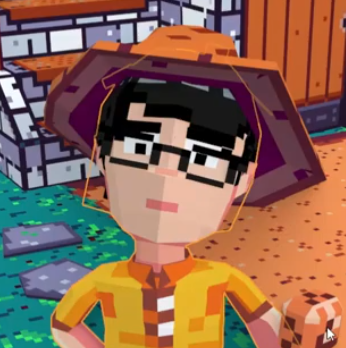
Why model beautifully when you can model blocky? I decided my character and house needed the low-fidelity treatment. I show the simple UV mapping tricks in Blender that achieve this awesome pixelated look.
Want to move beyond local co-op? This post is a deep dive into using GameMaker Studio 2 for the client and a Node.js server with WebSockets to handle real-time online multiplayer. I will outline the architectural approach I used, covering everything from basic connection handshake to minimizing latency through predictive networking.
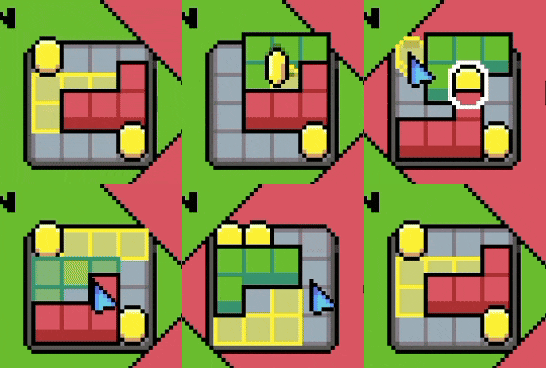
Making the L-Game less boring. A guide to applying visual and audio "juice" to a simple puzzle game, featuring pixel art tips, squash-and-stretch animations, and the secrets of tactile feedback.
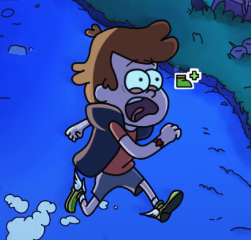
Mabel found the "Suspicious Looking Eye, " and Dipper is definitely not happy about it. This old fan art mashes up two beloved franchises. The entire creation process is included in the drawing timelapse.
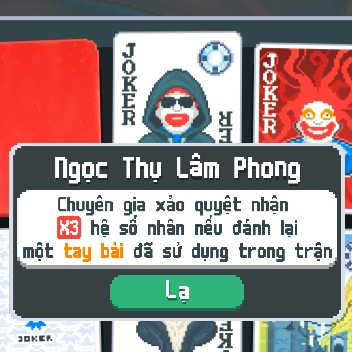
I wanted a proper Vietnamese localization for Balatro, one that preserved the game’s original pixel-art style. While other localizations focused on getting the text into the game, I wanted to keep the look and feel consistent by extending the font myself. In this post, I share what motivated the project, how I unpacked the game files, and the method I used to inject the translation cleanly with scripts while staying true to the game’s aesthetic.
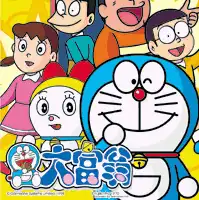
Doraemon Monopoly is a 1998 PC game made for much older systems, so the simplest way to play it on modern computers is through DOSBox. In this post, I show the basic setup I use to get it running and include a quick overview of the core gameplay, so you can follow along even though the game’s interface is entirely in Chinese.
I finally decided to build my own blog from scratch. No CMS - just Svelte 5 on the frontend and Rust on the backend. This post kicks off a new series documenting how I'm building the platform and structuring the project from the ground up.